Pointe by Point: A Parent's Roadmap From First Tutu to Pre-Professional Training
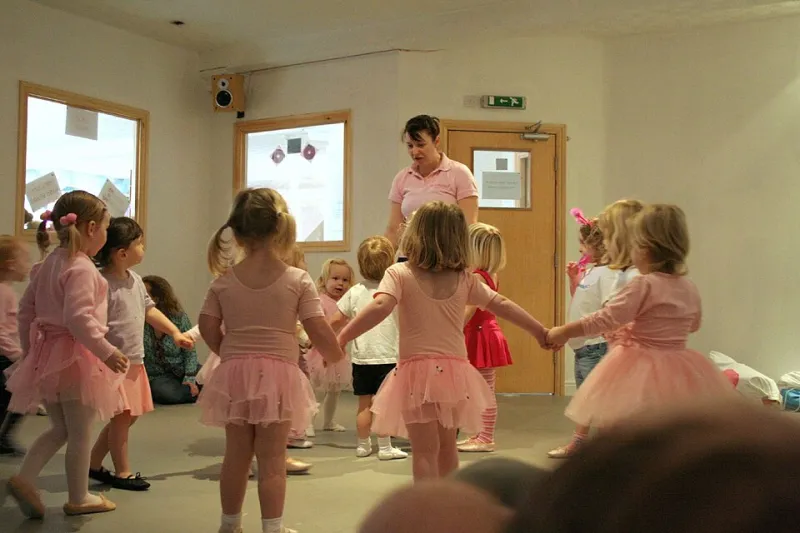
Photo: Dan Hughes from Huddersfield, England, CC BY-SA 2.0, via Wikimedia Commons
Every September, thousands of American parents walk into ballet school lobbies holding a pair of pink slippers and a head full of questions. How much will this cost? Is my daughter too young? Will my son be the only boy in class? At GM Ballet's school, faculty members answer these questions every day. This guide distills their advice into a stage-by-stage roadmap.
Ages 3–5: The Magic Years
What it looks like: Creative movement disguised as class. Expect pretend journeys to enchanted forests, scarf dances, and lots of hopping. Formal technique is minimal — the goals are musicality, taking turns, and learning to love the studio.
What to buy: A simple leotard, tights, and leather ballet slippers. Skip the tutu for regular classes; most schools have a dress code. Budget $40–$80 for gear.
What it costs: Typically $60–$120 per month for one 30–45 minute class per week.
Faculty tip: "If a three-year-old sits down in the middle of class, that's development, not defiance," says school director Amara Chen. "We want them to leave the room happy. The technique comes later — the joy has to come first."
Ages 6–9: Real Technique Begins
What it looks like: Barre work appears, along with French terminology. Students learn to stand at an actual barre, execute pliés correctly, and understand class structure. This is when you may notice your child practicing in the kitchen.
What to buy: The same basics, possibly a new size. Girls' hair must go into a proper bun — buy extra hairpins now.
What it costs: $80–$150 monthly, plus an annual recital costume fee (often $60–$150).
What to watch: This is the age when some schools begin to separate recreational from more serious tracks. Ask about the school's philosophy. A healthy program emphasizes alignment and musicality over tricks and flexibility displays.
Ages 10–13: The Fork in the Road
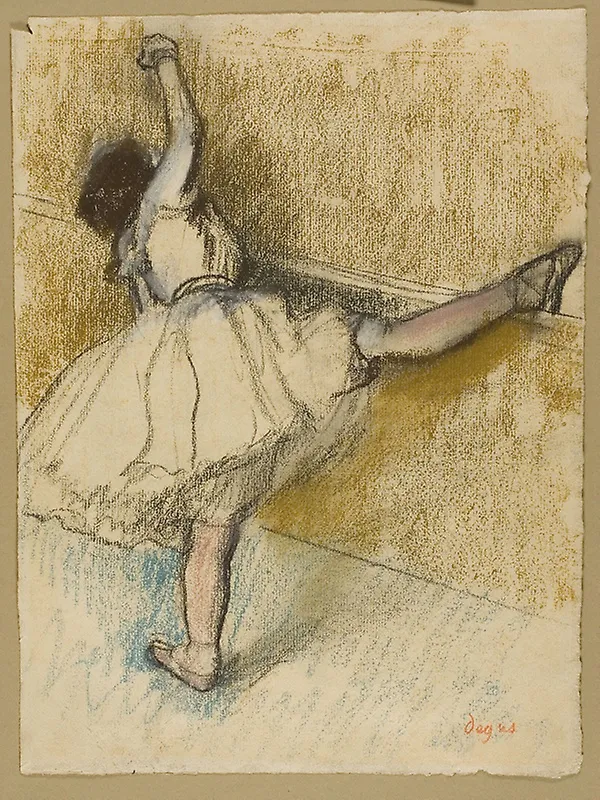
What it looks like: Multiple weekly classes, pointe work for girls (usually starting between 11 and 12, based on strength and skeletal readiness — never age alone), and, ideally, boys' technique and partnering classes. Students begin to choose: dance for joy, or dance for a future.
What it costs: $150–$300+ monthly for serious students taking three or more weekly classes. Summer intensives range from $500 for a local week to $3,000+ for residency programs.
Faculty tip: "Pointe shoes are earned, not given," Chen emphasizes. "If a school puts a ten-year-old on pointe because she's talented, ask hard questions. Readiness is about ankles, core, and consistency."
Ages 14–18: The Pre-Professional Decision
What it looks like: Training resembling a part-time job — 12 to 20 hours weekly, cross-training, nutrition guidance, and audition season. Serious students weigh company trainee programs, university dance departments, and conservatories.
Honest timelines: Fewer than 5 percent of serious students will dance professionally. That is not a failure. The discipline, work ethic, and stage poise transfer to everything from medicine to law.
Preventing Burnout: Five Faculty Tips
- Follow the child's lead. If practice becomes tears more often than triumph, scale back rather than push through.
- Praise effort, not talent. "You worked hard on that balance" outlasts "you're a natural."
- Protect the off-season. Dancers, like athletes, need rest. A quiet August is not lost progress.
- Watch for red flags. Anxiety before class, food restriction talk, or fear of corrections warrant a conversation with the instructor.
- Stay in the lobby, not the studio. Your job is to drive, pay, and applaud. The teaching belongs to the teachers.
The Bottom Line
Ballet training in America is flexible: families can dip a toe at three, dive deep at fourteen, or simply enjoy recitals each June. There is no single correct path — only the one that keeps your child returning to the barre with a willing heart. Start with one class, one pair of slippers, and an open mind. The rest unfolds step by step.