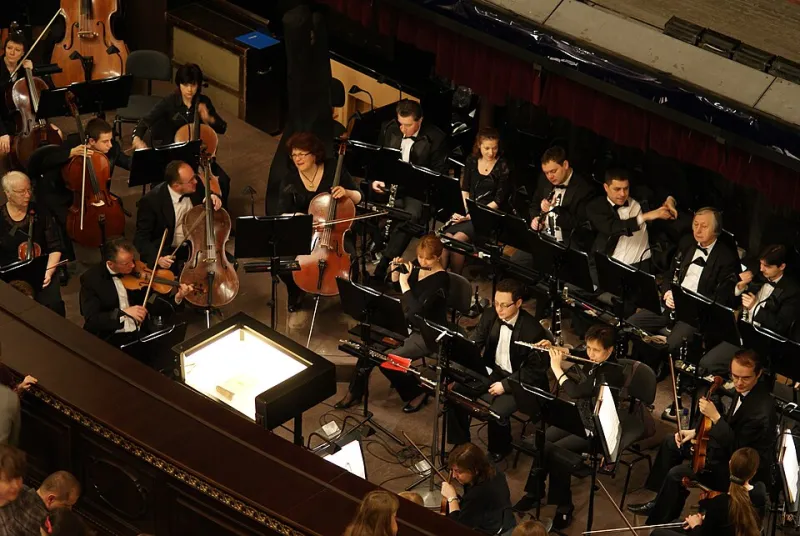
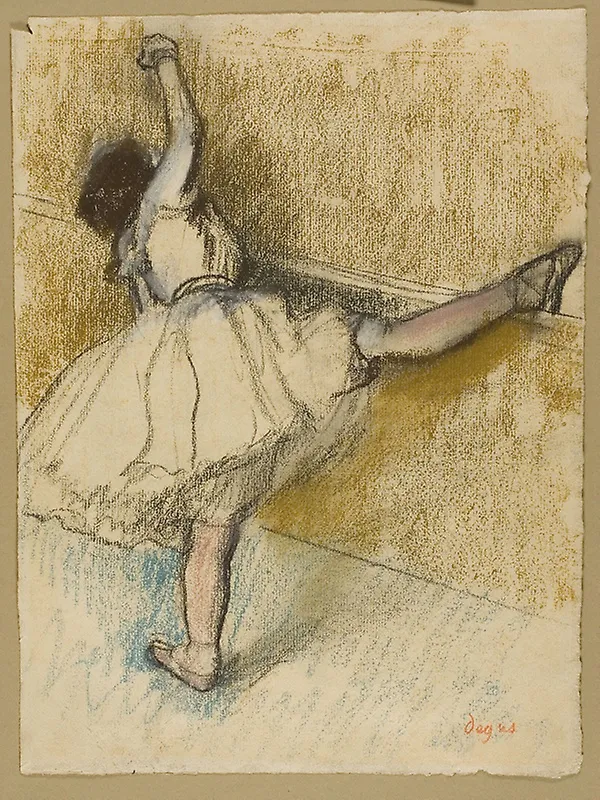
The Season Behind the Season: How GM Ballet Balances the Beloved and the Bold
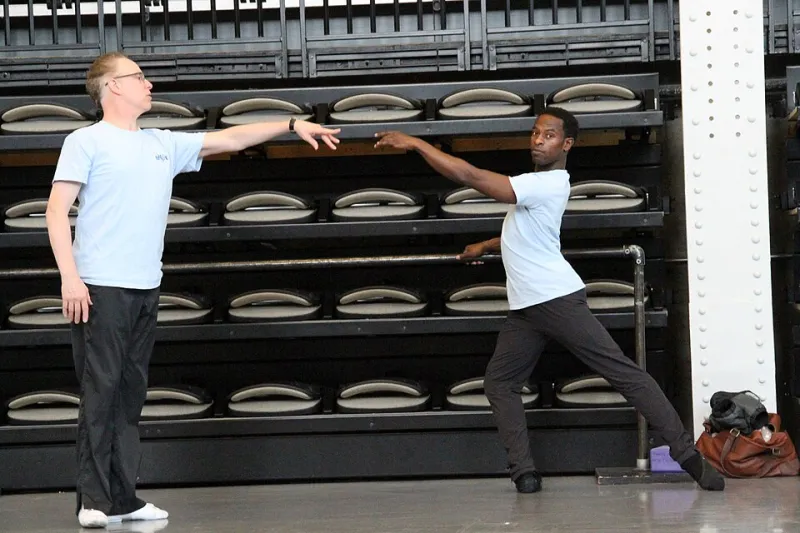
Photo: KCBalletMedia, CC BY 2.0, via Wikimedia Commons
When GM Ballet unveils its season each spring, audiences see a tidy poster: three productions, a gala, a mixed-repertory program. What they don't see is the eighteen months of conversation, compromise, and occasional conviction that got us there.
It Starts With a Spreadsheet — and a Dream
Artistic Director Elena Marchetti keeps two documents on her desk when planning begins. The first is a budget projection. The second, she admits, is "a wish list that would bankrupt us twice over."
"Every company faces the same tension," she explains. "The full-length classics fill seats. The new works fill the soul. Our job is making sure neither one starves the other."
That tension shapes everything. A production like Swan Lake carries known costs — sets, costumes, royalties — but also predictable revenue. A world premiere by an emerging choreographer carries neither guarantee. The arithmetic of American regional ballet is, in many ways, the arithmetic of risk.
The Nutcracker Question
No honest conversation about repertoire avoids the elephant in the theater: The Nutcracker. For most American companies, including ours, the December run generates forty to sixty percent of annual ticket revenue.
"People sometimes apologize for loving it," says Executive Director Marcus Yee. "They shouldn't. Nutcracker is our patron saint. It pays the orchestra, it funds the studio, and yes — it pays for the premiere nobody's heard of yet."
That's not an exaggeration. Our upcoming spring program, which pairs a Balanchine classic with a new commission, exists largely because of December ticket sales. The beloved holiday staple doesn't crowd out ambition; it capitalizes it.
What the Dancers Actually Carry
Repertoire decisions also live in dancers' bodies. A heavy classical season means hours of pointe work, partnering, and the repetitive stress that comes with nineteenth-century choreography. A contemporary program demands entirely different conditioning.
Principal dancer Sofia Reyes describes the shift: "After six weeks of Sleeping Beauty fairy variations, your body is in one mode. Then the choreographer says, 'Forget the line, break it.' That recalibration is exhausting — but it's also why I came here."
Company leadership consults physical therapy staff before finalizing any season. A calendar stacked with full-length classics may sell well, but it also invites injury. The strongest seasons, our medical team agrees, alternate demands the way a smart training plan alternates intensity and recovery.
Reading the Room — and the Data
Audience preference matters, and GM Ballet studies it carefully. Single-ticket buyers gravitate toward story ballets. Subscribers, interestingly, are our most adventurous segment, consistently renewing even in years heavy on new work.
"The data tells us people trust us," Yee says. "That's a responsibility. If we program safely forever, we'll earn smaller and smaller trust. If we program recklessly, we lose the audience that makes risk possible."
The result is a deliberate rhythm: each season pairs one full-length classic, one recognizable mid-size work, and at least one premiere or regional debut. It's a formula refined over a decade — and occasionally broken when the right commission appears.
The Verdict on Risk
Is the holiday cash cow funding the future of the art form? At GM Ballet, the answer is an unapologetic yes — with a caveat. Marchetti puts it plainly: "Nutcracker keeps the lights on. But nobody joins a ballet company to dance a party guest for thirty years. The new work is why the best dancers stay, and why audiences should keep coming back in January."
The next time you see our season announcement, know that each title earned its place — through budget models, physical therapy reports, ticket data, and, above all, an argument about what ballet in America should be.