Upstairs, Everyone Can Hear the Story: A Case for Ballet's Cheapest Seats
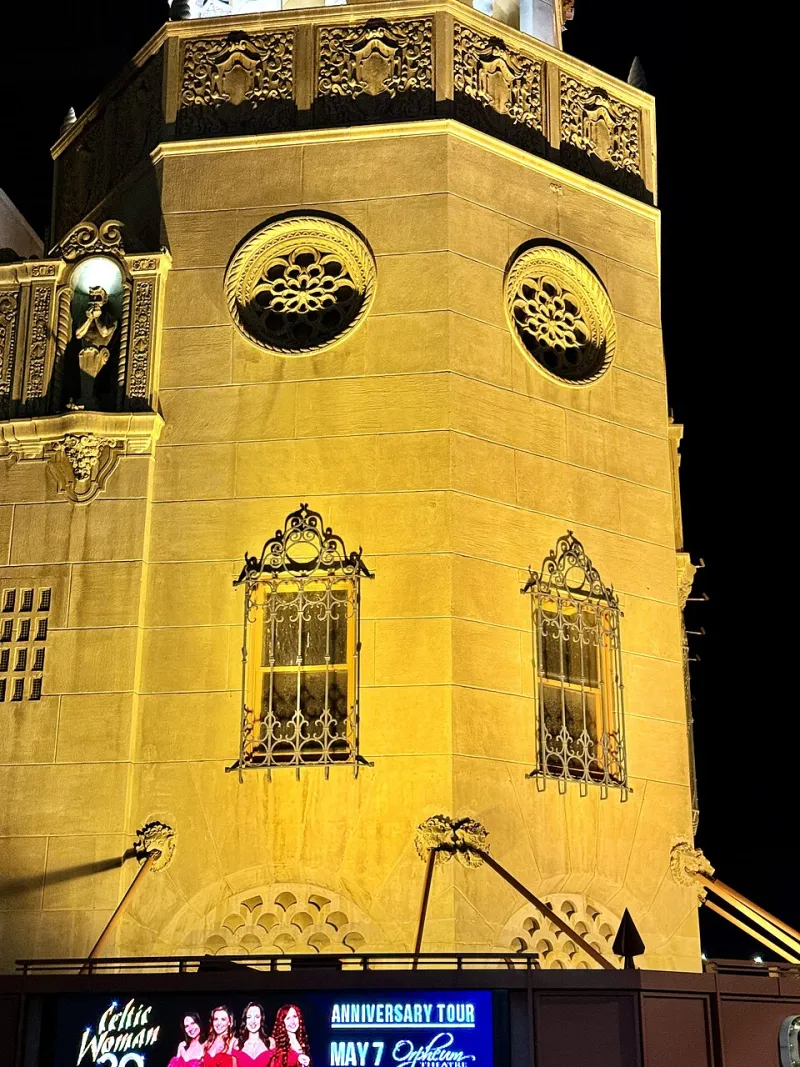
Photo: w_lemay, CC BY-SA 2.0, via Wikimedia Commons
The Full House Is Not Always a Healthy House
A sold-out theater can hide a fragile audience. If every seat is priced for the same comfortable patron, a company may fill the room and still fail to build the next generation of ticket buyers. American ballet needspeople who can afford to fall in love with the art form. That means the cheap seat matters.
The case for affordable upper-tier and standing-room tickets is not sentimental. It is strategic. Ballet is a long relationship business. A patron who buys a twenty-five-dollar balcony seat this season may become a donor, a subscriber, or a parent who brings a child to The Nutcracker in five years. But that relationship rarely begins at the top of the price scale.
The Balcony Is a Gateway, Not a Ghetto
There is an old assumption in American performing arts that the upper tiers are for people who cannot afford better and that filling them is somehow less valuable than selling the orchestra. That assumption is both snobbish and economically lazy.
The balcony is often the best place to hear a ballet audience. It is where students sit. It is where teachers bring classes. It is where young professionals test whether they love the art form enough to come back. It is also where longtime patrons go when they want to see the architecture of a dance rather than the sweat on a brow.
At GM Ballet, we have seen how a mixed bill can feel different when the upper tier is alive. Laughter travels up. Gasps travel down. A balcony full of first-time viewers changes the temperature of the room.
Cheap Seats Can Pay Their Way
The objection is always the same: discounting the balcony will cannibalize the orchestra. Sometimes it will, if the pricing is careless. But price fencing can protect the bottom line. Affordable seats can be limited to upper tiers with restricted sightlines, released day-of, or reserved for students, teachers, and military families. The goal is not to make every seat cheap. The goal is to make the cheap seat real.
Practical ideas are not exotic. A balcony pass at twenty to thirty dollars. A standing-room ticket at fifteen dollars, sold two hours before curtain. A rush program for students and community partners. A family four-pack in the upper tier with no hidden fees. None of these ideas require a company to abandon its artistic mission. They require a company to think clearly about who is not in the room.
The GM Ballet Example
Consider a mixed bill with three works. The orchestra sells well to subscribers. The balcony is half empty because the price is too close to the orchestra and the view is not as good. A simple adjustment can change the equation: hold the orchestra price, lower the top tier, and market the balcony as a different experience rather than a lesser one.
GM Ballet can go further. A pre-show talk in the upper lobby. A printed guide to what to watch for in each work. A post-show Q and A that does not require a premium ticket. These are not giveaways. They are invitations. They tell a new audience that the cheap seat is not an afterthought.
The Standing Room Question
Standing room is the most honest cheap seat in the house. It says: we know you want to be here, and we know you may not be able to pay our top price. American companies that treat standing room as a legitimate ticket category, not a fire hazard, tend to build loyalty. The view may be partial. The experience is not.
For ballet, standing room has an additional advantage. Dance is vertical. From the back of the house, you can see the corps geometry, the lines, and the exits and entrances that make a stage picture work. A standing-room patron is not getting a worse ballet. They are getting a different one.
A Serious Mission Needs Serious Access
Ballet in America is not cheap to produce. Orchestras, dancers, costumes, stages, and rehearsal time all cost money. No one is arguing that companies should ignore the bottom line. The argument is that access and solvency are not opposites. They are partners.
A company that only sells expensive seats is choosing a narrow audience. A company that sells a range of seats, including genuinely affordable ones, is choosing a future. The balcony is not a charity case. It is a classroom, a first date, a family outing, and a lifelong habit waiting to start.
Upstairs, everyone can hear the story. That is not a discount. That is the point.