Whistle at Your Own Risk: The Strange Rules Ballet Dancers Still Obey
Photo: InfoBrunhildmedia, CC BY-SA 4.0, via Wikimedia Commons
Ballet looks like order from the outside: the counted music, the mirrored studio, the geometric precision of a corps de ballet moving as one. But step backstage at any American theater — from Lincoln Center to a regional stage in Denver — and you'll find an art form governed by rituals older than the republic itself.
We polled veteran members of the GM Ballet company about the superstitions they still secretly follow. Some made them laugh. Some, they confessed, they genuinely honor. Here are ten that refuse to die.
1. Never Whistle in the Theater
The most famous rule in all of stagecraft has practical roots. In the seventeenth and eighteenth centuries, stagehands cued scene changes by whistling — so a careless whistler could trigger a sandbag drop at the worst possible moment. Today, nobody's rigging depends on it, but dancers still shush anyone who whistles in the wings.
"I don't care if it's obsolete," says one principal dancer. "I'm not tempting the sandbags."
2. Never Say 'Good Luck'
In the English-speaking theater world, wishing luck invites bad luck. Dancers say "merde" — a tradition borrowed from French opera, where the presence of horse-drawn carriages (and their byproducts) outside the venue signaled a full house. Americans have adopted it with enthusiasm, and at GM Ballet, the word echoes through the green room before every opening night.
3. Don't Open an Umbrella Backstage
A universal superstition with theatrical teeth. Umbrellas are associated with accidents and bad fortune in many cultures, and the cramped quarters of a backstage make an open umbrella a genuine hazard. Dancers keep them firmly closed until they're out the stage door.
4. Never Wear Peacock Feathers Onstage
The eye pattern on peacock feathers resembles the evil eye of folklore, and some dancers refuse to touch them, even in costume. It's less common in American companies than in Europe, but a few GM Ballet veterans admit to quietly declining them in character roles.
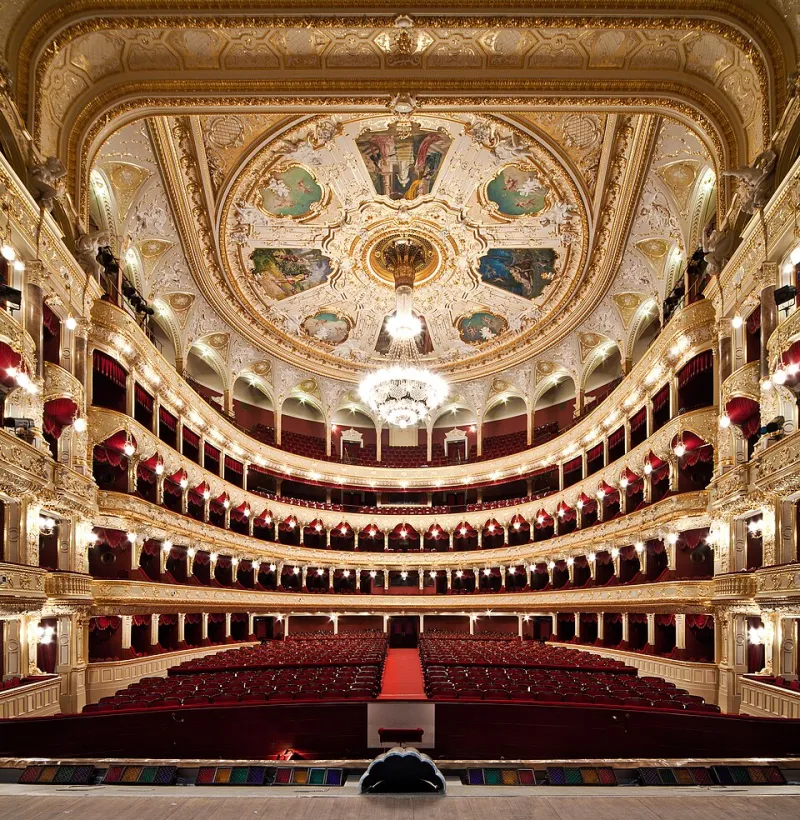
5. The Last Row of Seats Must Be Filled
Some companies maintain the ritual of placing a photograph, a bouquet, or a friendly face in the final row — a nod to the "ghost light" tradition of leaving a lamp burning on an empty stage. The logic: an empty house is bad luck, and the last row anchors the theater's spirit.
6. Never Cross a Dancer in the Wings During a Variation
This one is pure practicality disguised as superstition. A dancer mid-variation is traveling blind, trusting the space around them. Interrupting that path is a safety issue — but the rule has taken on talismanic weight over the decades.
7. Don't Count Dancers in a Corps
An old ballet superstition holds that counting the number of dancers in a scene invites misfortune. It likely grew from the anxiety of remembering counts and formations — but even today, some rehearsal masters refuse to confirm numbers aloud.
8. Always Enter the Studio Right Foot First
A quiet ritual with roots in general folklore about left-sided misfortune. Many dancers admit to a small hop of adjustment when they realize they've entered left-footed — a habit so ingrained they barely notice it anymore.
9. Never Place Shoes on the Table
Pointe shoes are expensive, sacred, and — according to superstition — cursed if placed on a table. The practical explanation involves hygiene and the risk of damage, but dancers treat the rule with the seriousness of scripture.
10. The Costume Must Be Sewn, Never Bought Finished
Some dancers believe a costume isn't truly theirs until they've personally stitched part of it — elastic, trim, or a hidden charm. A little thread, a little luck. One GM Ballet soloist sews a small blue bead into every costume: "My grandmother did it. I'm not stopping now."
Should You Believe Any of This?
Probably not literally. But superstitions survive for a reason: they give performers a sense of control in a profession built on uncertainty. The night of a performance is a confrontation with chance — a live body, a live audience, anything can happen. Rituals are how dancers answer the unknown.
So if you're new to ballet, feel free to smile at the whistling rule. Just don't whistle. Trust us on that one.