The Price of a Pirouette: An Honest Look at What It Costs to Put Ballet on Stage
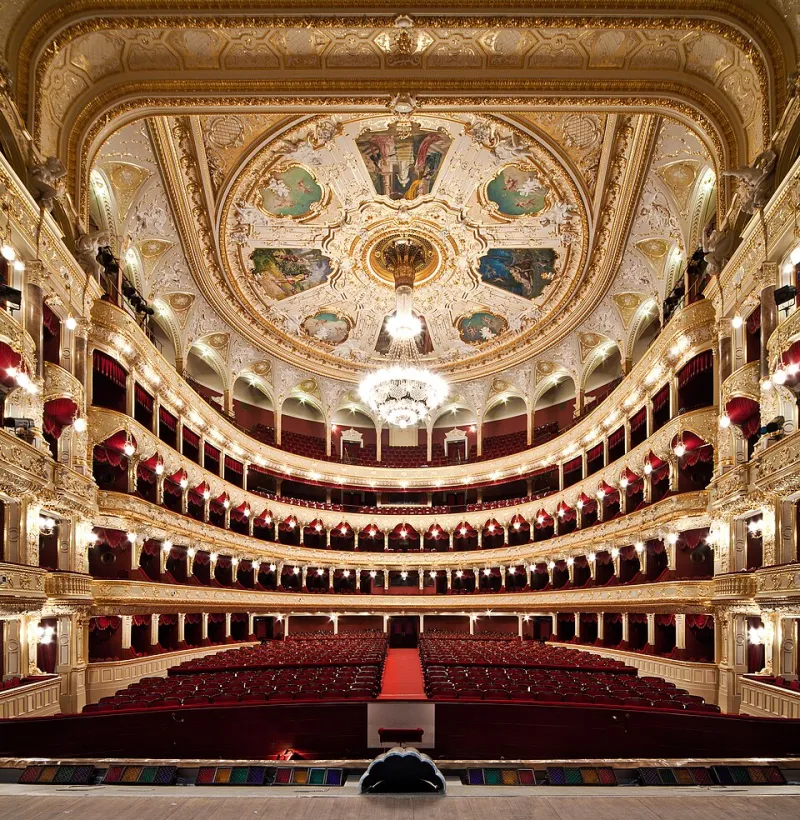
Photo: Театр_оперы_и_балета._Зал.jpg: Alex Levitsky & Dmitry Shamatazhi derivative work: Tokugawapants, CC BY-SA 3.0, via Wikimedia Commons
For many first-time theatergoers in the United States, the sticker shock is real. A premium seat at a major company's production of The Nutcracker can run well past $150 in cities like New York, San Francisco, or Chicago. It's a price point that quietly sends a message: ballet is a luxury. At GM Ballet, we reject that message—and this season, we want to show our patrons exactly why, by pulling back the curtain on what a ticket actually pays for.
Where the Money Goes Before the Overture
A single mainstage production carries costs that most audiences never see. The venue itself—whether a 1,200-seat performing arts center or a regional theater—typically commands a rental or operations fee in the tens of thousands of dollars per week. Then come the artists: dancers' salaries and benefits, rehearsal directors, stage managers, and the musicians in the pit, whose collective bargaining agreements reflect decades of professional standards.
Add the physical production—sets built and trucked in, costumes maintained and altered for each cast member, lighting design, and the crew of IATSE stagehands who make the magic happen overnight—and a two-weekend run can easily require several hundred thousand dollars in committed expenses before a single ticket is sold.
Box office revenue, even at healthy attendance, rarely covers all of it. Across the American nonprofit dance sector, ticket sales typically account for roughly half of operating income. The remainder comes from individual donors, corporate sponsors, foundation grants, and public arts funding. Every discounted ticket we sell is underwritten, in part, by someone in the community who believes in the art form.
Why Access Is a Programming Decision, Not an Afterthought
We believe the next generation of ballet lovers is sitting in a high school auditorium right now, wondering whether this art form has anything to do with them. Pricing them out at the door would be a self-inflicted wound. That's why our access programs are built into the budget from day one, not tacked on as charity.
- Student rush: Present a valid student ID at the box office one hour before curtain and sit in select sections for $15–$25.
- Pay-what-you-can performances: Each production reserves at least one performance where patrons choose their own ticket price, including $0.
- Under-30 and under-18 rates: Young audience members can purchase advance tickets at a steep discount, no strings attached.
- Group and family pricing: Schools, community organizations, and families of four or more receive reduced rates on weekend matinees.
These programs are not loss leaders in the cynical sense. Study after study—from organizations like the National Endowment for the Arts—shows that early, affordable exposure to live performance is the single strongest predictor of lifelong attendance. A $20 seat sold to a curious teenager today is a subscription renewal a decade from now.
Seeing World-Class Dance for Under $30: A Practical Playbook
If you've never attended a ballet and the word 'premium' next to a seat map makes you wince, here is how seasoned patrons do it affordably.
Go on a Thursday or a Sunday matinee. Weeknight and matinee performances are consistently the best value, often priced 30–40% below Saturday evening while featuring the identical production and, frequently, the identical principal cast.
Sit in the rear orchestra or first balcony. Ballet rewards a wide view. From the back of the house, you can see the full patterns of the corps de ballet—geometry that patrons in the front rows actually miss. Some of the best 'seats' in any theater for choreography are also the cheapest.
Choose a story ballet for your first outing. Productions with clear narratives are the most forgiving for newcomers, and they're often the ones with the most accessible pricing tiers.
Sign up for the email list. Flash sales, rush codes, and pay-what-you-can announcements go to subscribers first. It costs nothing and routinely saves $30 or more per ticket.
A Promise to Our Community
Transparency is the point of this article. When you buy a ticket to a GM Ballet performance, you're not just purchasing two hours of entertainment—you're funding live musicians, fair wages for dancers, free community performances, and the $15 student seat that a future subscriber is sitting in right now.
Ballet has survived for four centuries because each generation passed it, hand to hand, to the next. The price of admission should open the door, not bar it. We'll keep working to make sure it does.