Between the Acts: The Quiet Season Where Ballet Careers Are Really Built

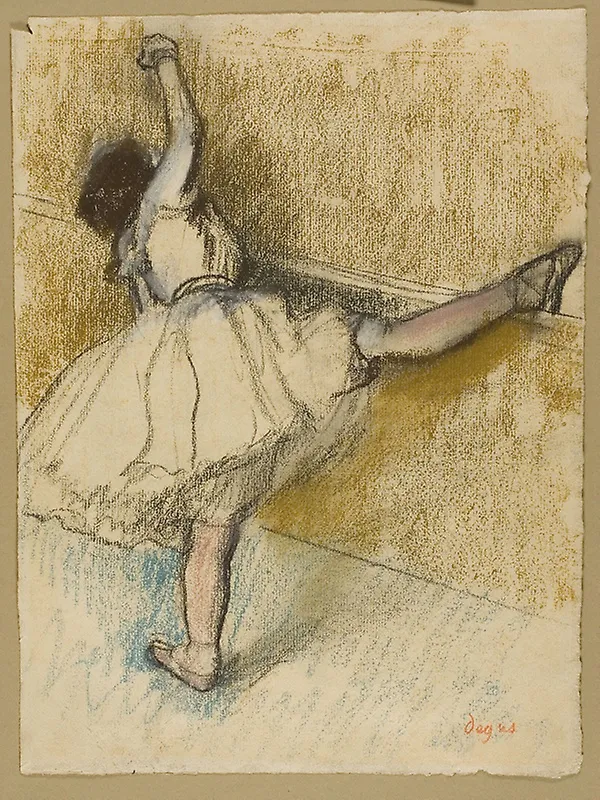
Photo: Internet Archive Book Images, No restrictions, via Wikimedia Commons
Ask most audience members what ballet dancers do in July, and you will likely get a puzzled look. The assumption is a long vacation—months of rest before the winter season sweeps everyone back into rehearsal. The reality, as anyone inside the profession will tell you, is considerably more complicated.
At GM Ballet, the weeks between the final spring performance and the first fall studio call are among the most demanding—and the most quietly formative—of the entire year.
The Myth of the Off-Season
American ballet operates on a contract model that differs sharply from European companies, where dancers frequently hold year-round salaried positions. Many US dancers, particularly those in smaller companies, are engaged on seasonal contracts that can span anywhere from twenty-eight to forty weeks. The remaining weeks, sometimes fourteen or more, fall to the dancer to fill.
That gap is not merely logistical. It is financial, and it shapes the architecture of an entire career.
"People imagine we spend June through August on the beach," says a soloist who has been with GM Ballet for six seasons. "In truth, I usually find out my summer schedule before the spring repertory is even over. There is no off switch. There is just a different kind of work."
Summer Intensives: Teaching as a Second Craft
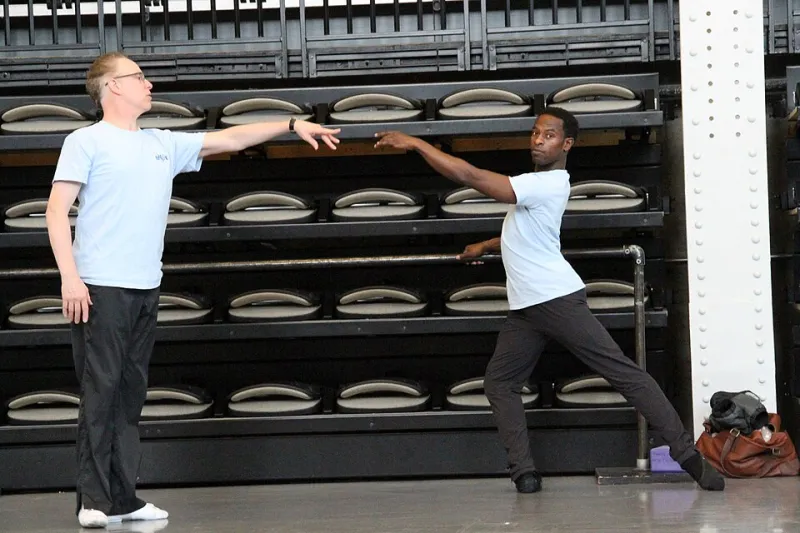
For many GM Ballet artists, the summer begins in a studio rather than a theater. Summer intensive programs—concentrated training courses for pre-professional students—have become a fixture of the American dance landscape, and companies increasingly rely on their own dancers to lead them.
Teaching is not simply performing in reverse. It demands a different vocabulary, a different patience, and a different kind of physical intelligence. A dancer who can execute a clean pirouette on command must now diagnose why a fourteen-year-old falls out of one, and communicate the correction in three different ways before the student's attention drifts.
GM Ballet formalizes this through an internal teaching mentorship, pairing younger company members with veteran artists before sending them into summer studio work. The program, now in its fourth year, reflects a broader institutional philosophy: a dancer's expertise should generate income in more than one form.
Guesting Across the Map
The second pillar of the off-season is guest work. Regional companies across the United States—from small civic ensembles in the Midwest to coastal festival projects—regularly engage principal-level artists for short engagements, galas, and summer productions.
For dancers, guesting offers more than a paycheck. It provides repertory they might not perform at home, exposure to different coaching traditions, and relationships that can later translate into full engagements. A guest appearance at a summer festival in New Mexico or a gala in Florida can become, two seasons later, an invitation to a role debut.
The travel is not glamorous. It often means rehearsing in unfamiliar studios on short notice, adapting to partners met only days before opening night. But dancers consistently describe it as some of the most artistically energizing work they do.
Cross-Training and the Long Game
The third element is less visible: maintenance. Ballet technique erodes quickly, and a dancer returning to fall rehearsals without a disciplined summer routine will feel it immediately.
Most GM Ballet artists describe a hybrid summer regimen—daily class wherever they happen to be, supplemented by Pilates, swimming, strength work, and increasingly, formal physical therapy. The professional dancer of today is, in functional terms, an athlete managing a long-term investment in their own body.
"I treat my summer like an off-season in professional sports," one corps dancer explains. "Recovery, targeted strength, careful volume. The goal is arriving in September stronger than I left in May."
What the Institution Owes Its Artists
GM Ballet has responded to these realities with a set of year-round supports: extended-contract options for dancers in teaching and administrative roles during the off-months, stipends for artists leading company-affiliated summer programs, and studio access that allows dancers to train at home rather than paying for outside space.
The broader picture remains challenging. Wage data across the American dance sector consistently shows ballet among the most demanding professions relative to compensation, and dancers routinely supplement income through teaching, modeling, and second jobs. Institutional support does not erase that arithmetic—but it can change a career's trajectory.
When the fall season arrives and the audience settles into their seats, they will see the finished product: the leaps, the partnering, the polish. What they will not see is the summer classroom in Ohio, the gala stage in Texas, the quiet hours of Pilates and physical therapy that made September possible.
Every step tells a story. Some of the best ones are told between the acts.