Stitches, Snaps, and Split-Second Saves: Inside GM Ballet's Wardrobe Department
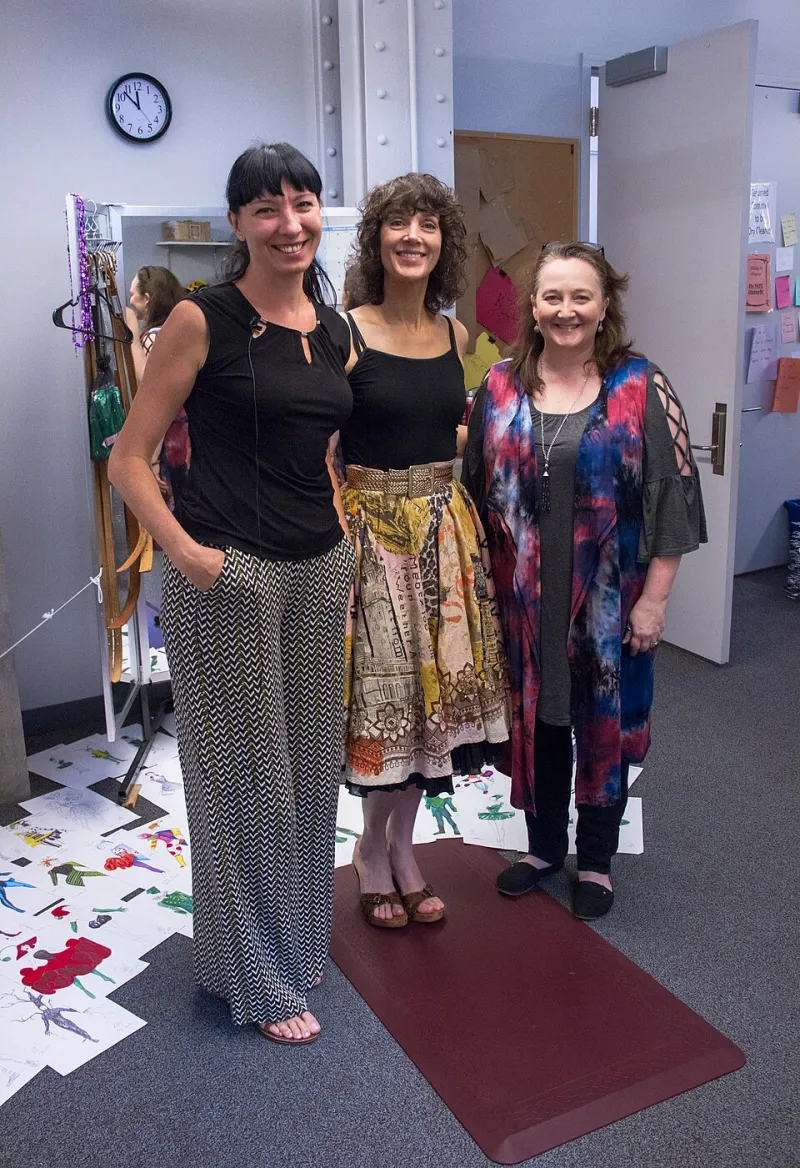
Photo: KCBalletMedia, CC BY 2.0, via Wikimedia Commons
A tutu is not a dress. It is a small machine made of tulle, thread, and planning. In GM Ballet's wardrobe department, every costume is built for two lives: the one the audience sees under lights and the one it lives backstage, where it is pulled, pinned, stepped on, and changed in seconds. The department's work is rarely visible. When it succeeds, the audience notices only that a dancer looks right. When it fails, the failure is public.
The Costume Is a Machine
A costume begins as a drawing, but it survives as an engineering problem. A bodice must hold its shape through sweat and movement. A skirt must clear the head of a partner during a lift. A character skirt must swing on cue without catching a heel. The wardrobe team builds in seam allowances, reinforced stress points, and closures that can be operated by a dresser in the dark.
Durability is not an afterthought. A principal may wear the same costume dozens of times in a season. An understudy may wear its duplicate with only a few hours' notice. Every garment is inspected before and after each performance, and small failures are repaired before they become visible ones.
The Quick-Change Engineering
Some changes happen in under a minute. A dancer may leave the stage in a full skirt and return in a tunic before the music has finished its transition. Wardrobe department staff design for that reality. Hooks are replaced with magnets where safe. Snaps are placed where a dresser's hand can find them without looking. Zippers are set into seams that open wide and close fast.
The goal is not merely speed. It is reliability under pressure. A quick change that works in the fitting room must work in the wings, with a dancer breathing hard and a dresser working by a low backstage light. Wardrobe staff rehearse changes with dancers and dressers together. They mark the order of operations. They decide who holds what, and when.
The Understudy Rack
Understudies and covers require duplicates, and duplicates require maintenance. A second cast cannot wear a costume that fits only the first. The wardrobe department keeps a separate rack for covers, with fitting notes, alteration records, and a clear label for every piece. If a principal is injured or ill, the duplicate must be ready before the curtain rises.
This is quiet work. It looks like rows of garments on a rack. In practice, it is an insurance policy written in thread. The audience never knows the name of the dresser who stayed late to move a hook, but the performance depends on that hook being in the right place.
A Pocket for the Unseen
Some of the most useful details are hidden. A secret pocket may hold a pair of earrings until the moment a dancer needs them. A reinforced seam may carry the weight of a heavy headpiece. A small loop inside a bodice may hold a microphone pack or a folded tissue. These details are not decorative. They are practical answers to problems that only appear onstage.
Wardrobe staff think about the dancer's whole body, not just the silhouette. They know which shoulder bears a partner's weight, which hem catches on a stair, and which closure a dancer can reach without breaking character. The audience sees a costume. The dresser sees a checklist.
When a Seam Holds
A successful performance night is full of small, invisible victories. A torn hem is stitched during intermission. A loose button is secured before the second act. A skirt that threatened to catch is re-pinned in the wings. None of this appears in a review. All of it appears in the dancer's confidence.
At GM Ballet, the wardrobe department does not ask for applause. It asks for time, light, and a well-stocked repair kit. When the curtain falls and the costumes come off, the work begins again: airing, brushing, mending, and labeling for the next show. The story onstage is fragile. The wardrobe department's job is to make it hold.