Ninety Seconds to Everything: One Morning at GM Ballet's Open Call
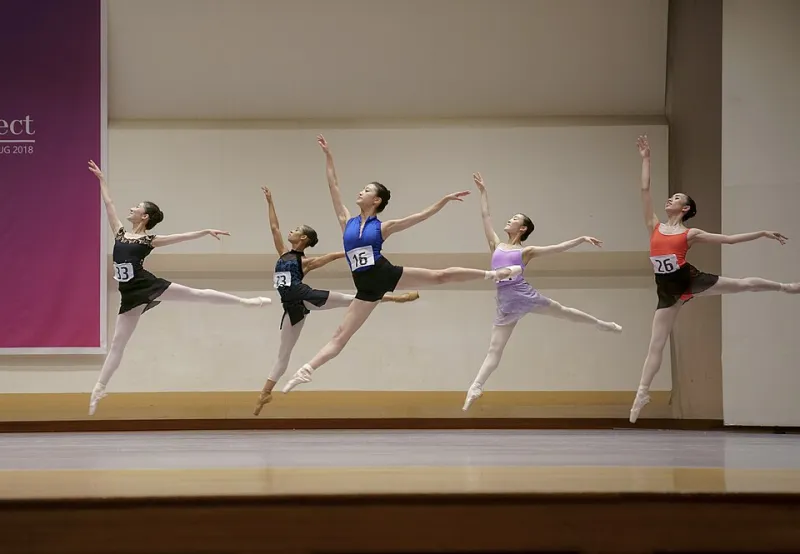
Photo: Sujeong11, CC BY-SA 4.0, via Wikimedia Commons
The sign-in sheet is unglamorous. A folding table in the lobby of the GM Ballet rehearsal studios, a clipboard, a roll of athletic tape holding down the corner against the air conditioning. By 8:40 a.m., twenty-three names are on it, and the hallway smells like rosin and nerves.
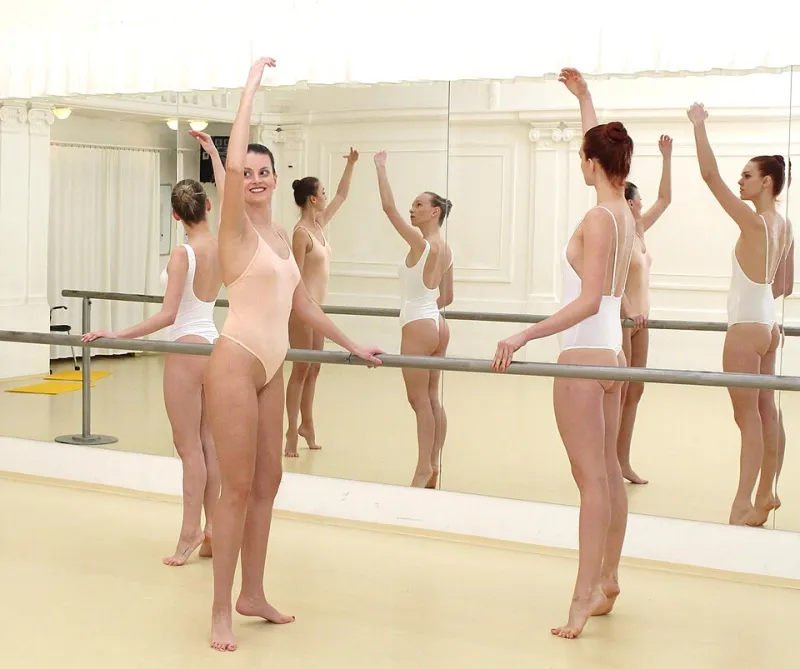
This is open call day — the twice-yearly audition where company hopefuls from across the country, and a few from beyond it, take class in front of the artistic staff. Nobody gets a solo. Nobody performs a variation. Ninety seconds of attention per dancer, spread across an hour and a half of pliés, adagio, and pirouettes, is roughly what the math allows.
The Room Before the Room
Artistic Director Elena Marchetti arrives early, as she always does, and watches from the doorway before anyone knows she's there. "You learn things in the hallway," she says. "Who warms up quietly. Who introduces themselves to the pianist. Who is kind to the person who might be their competition."
The pianist for the morning, a twenty-year veteran of auditions, agrees. "I can tell you before the combination starts who has trained seriously. It's in the way they stand at the barre. Not the shape — the attention."
What the Panel Is Actually Watching
The common assumption is that audition panels hunt for turns and extension. Marchetti shakes her head. "Technique is the entry fee. What we're assessing is musicality, adaptability, and how a dancer absorbs correction. If I give a note and I see it land in the body by the second side, that tells me more than four pirouettes."
Company manager and former soloist David Okafor, who coordinates the day, adds a practical note. "We're a mid-sized American company. We tour. We do education outreach in the mornings and full productions at night. We need dancers who are generous on stage and steady in a school gym in front of four hundred second-graders. The audition tells me who can do the second thing, honestly, more than the first."
The panel keeps a simple rubric: execution, artistry, work ethic, and something the staff calls "coachability." Every dancer in the room is scored within fifteen minutes of the class ending, while impressions are fresh.
The Mistakes That Cost Real Opportunities
Ask anyone on the panel about errors and they answer quickly, because the errors are consistent year after year.
Dressing for the wrong room. Dancers who arrive in elaborate audition wear — rhinestoned leotards, dramatic skirts — read as out of touch. "Simple and clean," Marchetti says. "Let the line of the body do the talking."
Positioning as strategy. Several dancers each year spend the entire class fighting for the front corner. The panel notices, and not favorably. Okafor: "The corps is an ecosystem. If I watch someone consistently angle themselves out of the group, that's a red flag wearing a leotard."
The invisible face. The most common mistake is also the saddest: dancers so focused on execution that they forget a face exists above the neck. "I've seen gorgeous technique with nothing behind the eyes," Marchetti says. "Ballet is not a gymnastics routine with a soundtrack."
Leaving without looking back. Which brings us to the finding that surprised us most.
The Fastest Exit in the Room
When the final reverence ends and the artistic director says thank you, a small stampede usually follows — bags grabbed, shoes half-off, doors pushed open before goodbyes can happen. It's understandable. Auditions are brutal, and relief wants out of the building.
But the dancers who pause — who find the pianist and say thank you, who thank the monitors at the sign-in table, who shake hands or simply make eye contact with the panel — are remembered. "Every single time," Okafor says. "We've called back dancers whose class was good-not-great, partly because of how they carried themselves at the door. It's not politeness for politeness' sake. It tells us how they'll treat stagehands, wardrobe, the school kids."
Marchetti puts it more plainly: "The audition doesn't end at the last combination. It ends in the parking lot."
After the Cuts
By early afternoon, the lobby is quiet. The panel sits with score sheets and coffee, and the conversation is less dramatic than outsiders imagine — no arguments, no door-slamming. Just names, discussed with care, because everyone in that room remembers standing on the other side of the clipboard.
Not every hopeful gets a call back. A handful will be invited to the company's winter intensive instead, a path that has produced four current corps members. Some will send a courteous follow-up email, which the staff reads and, more often than not, appreciates.
The ninety seconds are unforgiving. But spend one morning watching an open call and the takeaway shifts: it was never really ninety seconds. It's the training behind the dancer, the composure in the hallway, the thank-you at the door — compressed, by necessity, into a single morning at the barre.
The next open call is announced on the company's audition page. The sign-in sheet, as always, will be waiting.