After the Final Bow: Where GM Ballet's Dancers Go When the Music Follows Them Home

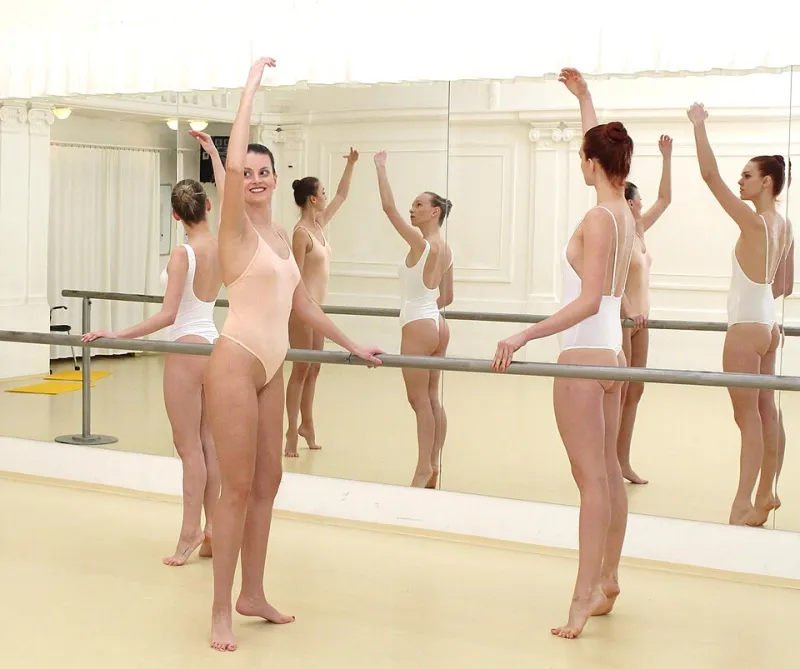
Photo: retired ballerina teaching ballet class studio, via printabletree.com
The farewell performance is a myth we like to tell ourselves. In American ballet, we frame a dancer's retirement as an ending — flowers at the stage door, a standing ovation, a final bow beneath the lights. But spend an afternoon with the alumni of GM Ballet and you'll learn something the programs never print: the training never leaves the body, and the artistry rarely leaves the profession.
This spring, we sat down with four former company members who hung up their pointe shoes and stepped into entirely new lives. What we found was not a story about loss, but about translation — the remarkable way a decade of discipline becomes the foundation for everything that follows.
The Choreographer Who Couldn't Stop Listening
Mara Ellison danced with GM Ballet for eleven seasons before retiring at thirty-one, a respectable age in a profession where many careers end far earlier. Today, she choreographs for regional companies across the Midwest, with recent commissions in Chicago and Minneapolis.
"People assume retirement feels like leaving home," she told us over coffee near her studio in Ohio. "But I never stopped working. I just stopped being the instrument and started being the author."
Ellison credits her choreographic ear to thousands of hours in rehearsal studios, absorbing scores from the inside out. "When you've danced 'Serenade' forty times, you don't just hear the music. You understand why Balanchine put the breath there. That knowledge doesn't retire."
From Studio to Clinic: The Physical Therapist Who Speaks Dancer
Not every second act stays on stage. Dr. Yvonne Okafor, a former soloist, now runs a sports rehabilitation practice in Atlanta specializing in performing artists. Her waiting room, she jokes, is the only one in Georgia with a barre in the corner.
"Dancers are terrible patients and wonderful ones at the same time," she says. "They'll push through pain that would send anyone else to the ER, but they understand their bodies with an intelligence most athletes never develop. When a sixteen-year-old walks in with a hip issue, I don't have to explain what turnout means. We speak the same language."
Okafor believes companies have a responsibility to prepare dancers for this possibility. "Physical therapy gave me a way to keep serving the art form that made me. But nobody talked to me about it when I was dancing. That has to change."
The Administrator Who Balances the Books and the Barre
Third on our list is Thomas Reyes, who spent nine years in the corps before moving into arts administration. He now serves as director of programming for a performing arts center in the Pacific Northwest.
"The discipline is the transferable skill nobody puts on a résumé," Reyes explains. "If you've spent fifteen years arriving at the studio at nine in the morning, sore, and ready to work anyway, a budget deadline is nothing."
He's quick to note that dancers bring more than work ethic. "We understand what it takes to make art happen. When I negotiate with a choreographer or advocate for rehearsal time, I'm advocating from experience. That's worth something in a boardroom."
The Teacher Passing It Forward
Finally, there is Charlotte Wu, who returned to GM Ballet itself — not as a dancer, but as the director of our pre-professional academy. Her students, some as young as eleven, are learning from someone who stood exactly where they dream of standing.
"I teach them what the stage taught me: that excellence is a habit, not an event," Wu says. "But I also teach them what I wish someone had told me — that there is life after the curtain, and it can be just as meaningful."
What Companies Owe Their Dancers
Across all four conversations, a common thread emerged: the transition out of performance is the least discussed, least supported chapter of a dancer's life. American companies have made progress — mentorship programs, tuition assistance, transition counseling — but the alumni we spoke with agree there is room to do more.
At GM Ballet, we're taking these lessons seriously. This fall, we're launching an alumni mentorship initiative pairing current company members with graduates who have navigated the transition successfully. Because the music, as our alumni reminded us, never really stops. It simply changes key.
The stage door closes. The story continues.