When the Theater Stays Home: How Site-Specific Ballet Is Finding America's Strangest Stages
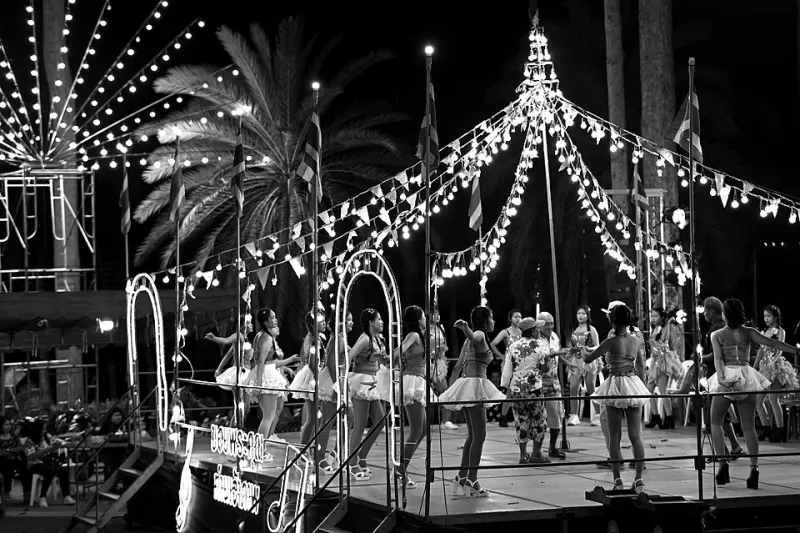
Photo: PattayaPatrol, CC BY-SA 4.0, via Wikimedia Commons
For most of its history, ballet has asked audiences to come to it: buy a ticket, find your seat, sit in the dark, and watch. A growing number of American companies are flipping that arrangement. They are bringing the dancing to the audience — to rooftops, gymnasiums, parking structures, and public parks — and in the process, they are discovering that the art form travels remarkably well.
Why Leave the Theater?
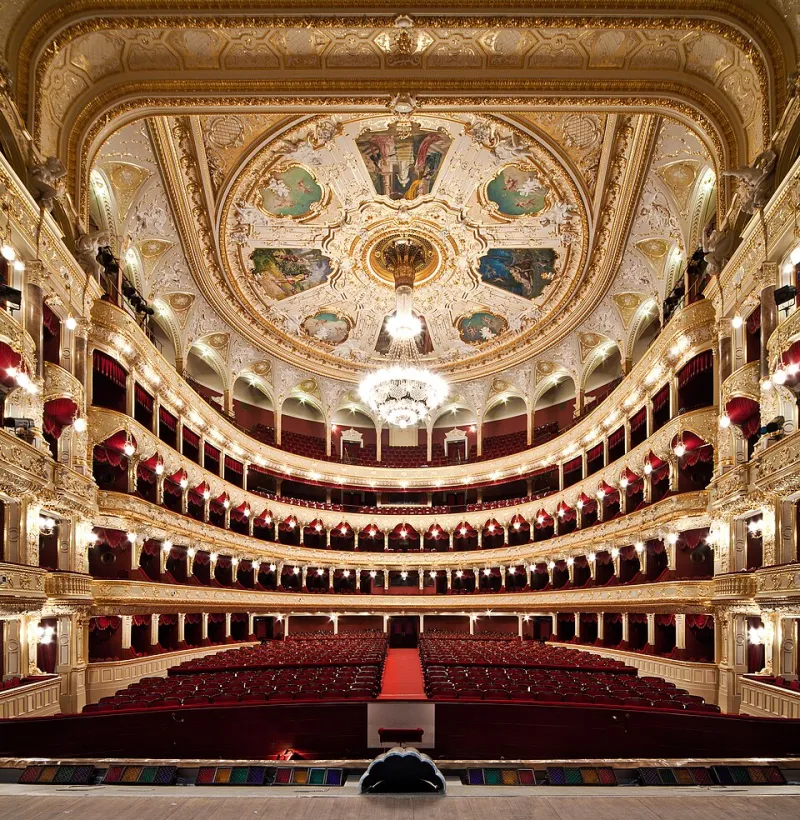
The proscenium stage is a marvel of engineering, but it is also a barrier. The frame separates watcher from watched, and for first-time attendees, that separation can feel like a rulebook: dress this way, clap here, don't move. Remove the frame and the rules dissolve with it.
Site-specific work — dance choreographed for a particular location rather than a standard stage — forces choreographers to abandon convention. There are no wings, no raked floor, often no lighting rig at all. What replaces them is intimacy. When a dancer performs three feet away on a rooftop overlooking the Hudson, the audience isn't watching ballet; they're standing inside it.
A Field Guide to Unconventional American Venues
The Rooftop. New York has seen a quiet boom in elevated performance, with companies staging excerpts on Manhattan and Brooklyn rooftops against the skyline. The trade-offs are real — wind, weather, and the constant negotiation with building regulations — but the payoff is a backdrop no theatrical designer could build.
The School Gymnasium. Across rural Iowa, Kansas, and the Dakotas, touring initiatives and regional companies have carried abbreviated ballet programs into school gyms, complete with portable marley flooring rolled out over basketball courts. For many children in these communities, this is the first live dance performance they have ever seen. The floor is springy in the wrong way and the acoustics are unforgiving, and it doesn't matter.
The Public Park. Los Angeles has long embraced outdoor dance, from park lawns to plaza pop-ups downtown. Free or low-cost admission removes the financial hurdle, and the casual atmosphere — picnic blankets, strollers, dogs at the perimeter — signals that ballet belongs to everyone in a way a velvet-lined lobby never quite can.
The Museum and the Parking Garage. Galleries and museums increasingly commission dance as living sculpture, while a handful of adventurous companies have used parking structures for vertical, multi-level choreography that uses concrete ramps as tiered staging. The architecture dictates the movement, producing ballets that could not exist anywhere else.
The Farmers Market and the Street Corner. Pop-up performances at markets, transit hubs, and festivals strip away even the suggestion of formality. A five-minute excerpt between the produce stand and the coffee vendor may not be a full evening at the ballet, but as a first encounter, it is remarkably effective.
Why It Works as a Recruiting Tool
Ask anyone who came to ballet late, and the story usually involves a moment of surprise — an expectation overturned. Site-specific performance manufactures that moment at scale. A commuter who never would have bought a ticket will stop and watch for four minutes. A child in a gymnasium sees a dancer do something impossible with her body and goes home wanting to try it.
The economics help, too. Outdoor and community venues typically cost a fraction of a theatrical rental, and free events draw audiences that traditional marketing struggles to reach. Companies report that a meaningful share of single-ticket buyers at mainstage seasons first encountered the company at a free pop-up or park performance.
What the Audience Should Know
If you attend a site-specific ballet, a few expectations are worth adjusting. Arrive early — sightlines in open spaces favor those who claim a spot. Dress for the weather, not the occasion. And expect the unexpected: dancers weave through crowds, performances pause for sirens, and the city itself sometimes joins the choreography.
For newcomers wondering how to begin with ballet, a park lawn in July may honestly be the easiest entry point the art form offers. No program to decipher, no etiquette to master — just movement, music, and sky. The theater will still be there when you're ready. The dance, it turns out, doesn't need it.