One Fairy, Forty Performances: The Role That Pays America's Ballet Bills
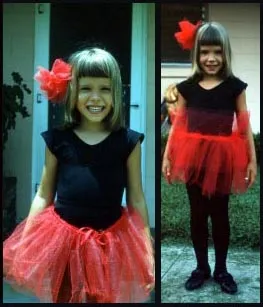
Photo: Father of JGKlein, used with permission, Public domain, via Wikimedia Commons
Ask any ballet company administrator what keeps the lights on, and the answer rarely involves the ambitious new commission premiering in March. It involves a twelve-year-old in a party dress, a dancing bear, and a fairy in a tutu made of tulle and ticket revenue.
The numbers are blunt. For many mid-sized American ballet companies, holiday performances of The Nutcracker account for somewhere between forty and sixty percent of annual earned income. Some smaller organizations rely on it for even more. Strip the December run from the ledger, and the spring repertoire — the Balanchine rep, the contemporary works, the choreographic risks — simply cannot be funded at the same scale.
The Arithmetic of a Holiday Staple
The economics are not mysterious. The Nutcracker is the one ballet that guarantees a broad, non-traditional audience: grandparents, school groups, families who attend a live performance once a year. A company can fill two thousand seats a night for three weeks in December with a title it could not sell on a random weekend in April.
That concentration of demand shapes everything. Marketing budgets tilt toward the fall. Costume shops repair the same wigs and winged headpieces each October. Rehearsal calendars bend so the company can stage forty-plus performances in a month — a grueling schedule that no other production demands.
For the dancers, the season is a marathon of repetition. The same mime sequence, the same snow, the same Waltz of the Flowers, night after night. Yet it is also the period when the youngest students get their first taste of the stage, often dancing bonbons or mice beside professionals they idolize. The production is simultaneously a cash engine and a pipeline.
Artistic Fatigue, Financial Necessity
Critics have grumbled about Nutcracker dependence for decades. The complaint is familiar: American ballet risks becoming a museum of one Victorian fairy tale, staging the same two-act confection annually while living choreographers wait for budget lines that never open.
There is truth in the critique, and also a certain unfairness. No other American performing art carries quite the same seasonal burden. Orchestras perform Handel's Messiah and holiday pops concerts, but those sit alongside fifty other weeks of programming. For ballet, December is not one tradition among many — it is frequently the foundation.
Defenders of the model point out that the revenue does not vanish into a vault. It subsidizes the risky programming that critics say they want. The avant-garde triple bill in February exists because a child bought a ticket to see the Land of Sweets in December.
Lifeline or Cage?
The honest answer is that it is both, and the tension is unlikely to resolve soon.
Companies that treat The Nutcracker purely as a revenue machine — dusting off the same production for decades without reinvestment — tend to see attendance erode as audiences seek fresher experiences. Those that refresh their versions, commission new designs, or rotate interpretations keep the tradition feeling alive rather than obligatory. Several American companies have premiered entirely new Nutcracker productions in recent years, betting that reinvestment in December protects experimentation the rest of the year.
There is also room for honesty with audiences. Patrons who love the adventurous programming should understand that their holiday ticket purchase is what makes it possible. A season is not a collection of independent events; it is an ecosystem, and the Sugar Plum Fairy sits at the bottom of the food chain, feeding everything above her.
What Newcomers Should Know
If you are attending The Nutcracker for the first time this season — and thousands of Americans are — a few things are worth keeping in mind. First, the ballet you are seeing is likely a company-specific production; there is no single authoritative version, and the differences between productions can be striking. Second, the performance you are watching is the most rehearsed, most repeated work in the building, and that polish is earned through genuine physical endurance. Third, the child onstage may be a student who auditioned months ago and has been counting down the days since.
And when the Sugar Plum Fairy takes her bow, consider what her variation is actually carrying. Behind the sparkle sits a payroll, a school tuition assistance fund, a spring program, and the quiet hope that some child in the audience will come back in March to see what else this art form can do.
The tradition is a lifeline. Whether it becomes a cage depends on what companies — and the audiences who sustain them — choose to build with the money she brings in.